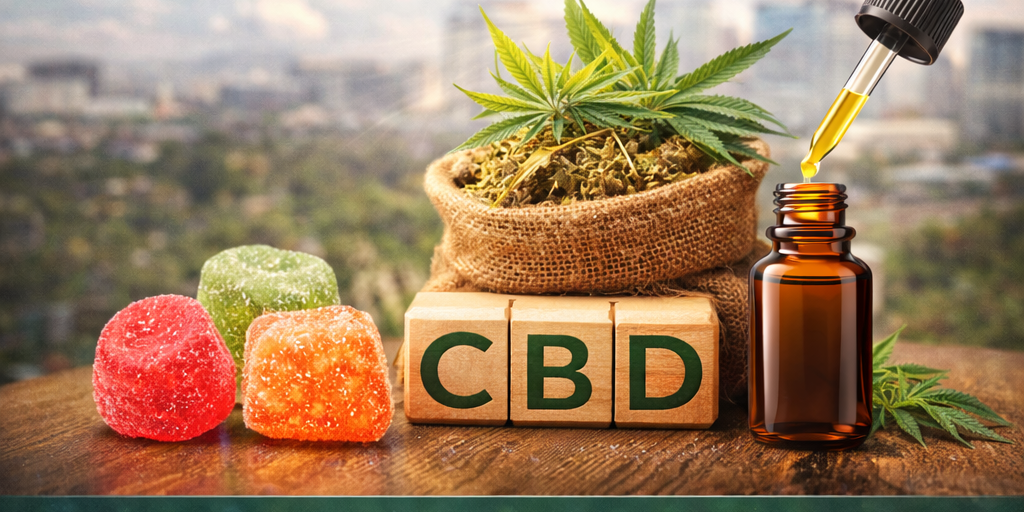
Is CBD legal in South Africa?
CBD products were legal in South Africa until 2019, but the legal status of CBD products has changed since then.
In 2019, South Africa’s Medicines Control Council (MCC) reclassified CBD as a Schedule 7 controlled substance. This means that it is now illegal to sell, possess or use CBD products without a prescription from a registered medical practitioner. The MCC cited the lack of scientific evidence and safety data for CBD as the reason for the reclassification.
However, on May 2021, South Africa’s Department of Health issued new guidelines that permit the sale and possession of CBD products containing less than 0.001% of THC. This means that CBD products with low THC content are now legal to possess, sell and use.
It’s worth noting that the legal landscape of CBD in South Africa is evolving, so it’s always best to check with local authorities for the most up-to-date information on the legality of CBD. As well, it’s important to purchase products from reputable companies that can provide lab test results that confirm the THC content and other information about the product is within the legal limits set by the South African authorities.
It’s also worth noting that it’s always best to consult with your healthcare provider before starting to use any CBD products.
It’s important to note that the legality of CBD in South Africa is subject to change as the government continues to review and update regulations. It’s recommended to stay informed of the laws and regulations surrounding CBD in South Africa, as well as consulting with local authorities for the most up-to-date information.
Additionally, it’s important to be aware that products labeled as “CBD” may not always contain the amount of CBD that is stated on the label, and may contain other ingredients that are not listed. Therefore, it’s important to only purchase products from reputable companies that can provide lab test results to confirm the CBD content and purity of the product.
In conclusion, CBD products are now legal in South Africa if they contain less than 0.001% of THC as per the new guidelines issued by the South Africa’s Department of Health, but it’s always best to stay informed of the laws and regulations surrounding CBD and consult with local authorities for the most up-to-date information. It’s also important to purchase products from reputable companies and consult with your healthcare provider before starting to use any CBD products.